Calling a Mobile Locksmith for a Trunk Lockout: What to Describe
A trunk lockout happens fast. You close the lid, hear the latch click, and realise your keys are inside the luggage compartment. The doors may be locked too, or the car may be unlocked but the trunk release is useless because the keys are sitting right behind the rear seat. In that moment, a mobile locksmith is the quickest way back in. But the call itself matters. The more clearly you describe the situation, the faster the technician can arrive prepared. This article walks through exactly what to tell a mobile locksmith when your keys are trapped in the trunk, and what to watch for at each step.
Start with the car's make, model, and year
The first thing a locksmith needs is the vehicle's basic identity. The trunk latch mechanism, the remote release layout, and the method of interior access vary significantly between manufacturers and across model years. A 2019 sedan may have a different latch cable routing than a 2015 version of the same nameplate. Knowing the exact vehicle model lets the locksmith check whether the car has a mechanical key slot in the trunk lid, a hidden release behind a trim panel, or a purely electronic latch that requires a diagnostic tool. Give the year, make, and model clearly. If you have the trim level (LX, SE, Sport, etc.), mention that too. It helps the locksmith anticipate features like a cargo area release button or a folding rear seat release that might be electrically operated.
Explain exactly how the keys ended up in the trunk
Describe the sequence that led to the lockout. Did you drop the keys into the luggage compartment while loading groceries? Did you set them down on the trunk floor and then close the lid? Were they already in the trunk when you closed it after removing a spare tyre? The reason matters because it tells the locksmith whether the keys are loose inside the trunk or wedged inside a latch or a folded seat mechanism. If the keys are near the trunk latch, a simpler tool insertion may work. If they are deep in the cargo area, the locksmith may need to access the trunk through the passenger cabin. Be honest about any force you applied after the lockout. If you tried to pry the lid, mention it. A slightly bent trunk lid changes how a tool can slide in.
Describe the car's current state: locked or unlocked
Many people assume their entire car is locked when the trunk is stuck. Sometimes the driver's door is still unlocked, or the rear doors are open. Check each door before calling. Tell the locksmith whether any door is unlocked or open. If the passenger cabin is accessible, the locksmith may be able to reach the trunk through the back seat. If the whole car is locked, the technician will need to open a door first, then proceed to the trunk. Knowing this saves time. The locksmith can bring the right wedges, long-reach tools, and air bags based on whether they are working on a sealed car or one with an open entry point.
Note the trunk release options in your car
Cars have different ways to pop the trunk from inside. Some models have a manual release lever near the driver's seat. Others have a button on the key fob (which you cannot press because the fob is inside the trunk). Many newer vehicles have a small interior trunk release handle inside the luggage compartment itself, often a glow-in-the-dark T-handle. If you know your car has a mechanical release cable, tell the locksmith. They may be able to access the cable through the back seat or a trim panel. If your car has no interior release at all, the locksmith will plan to open the latch from outside. Also mention if the trunk has a separate keyhole or if the lock cylinder is integrated into the trunk handle or emblem. Some cars hide the keyhole behind the rear emblem, which requires a special tool to release.
Check whether the rear seats fold down
Folding rear seats are the most practical route to a trapped key. If your car has a 60/40 split seat or a single folding bench, tell the locksmith whether you have tried to lower it from inside the cabin. Sometimes the seat release is a mechanical lever that works even when the car is locked. If you cannot reach the release because it is inside the trunk itself, that is useful information. The locksmith may be able to access the release mechanism through a gap in the seatback using a long tool. If your car has a pass-through ski port or a small access panel behind the centre armrest, mention that too. Every extra opening reduces the time needed to retrieve the keys.
Describe the trunk latch area and any visible damage
If you can see the trunk latch from outside, describe it. Is it a standard latch with a visible slot? Is it covered by a trim piece? Is there a keyhole or an electronic button? If the lid is misaligned or shows signs of previous repair, say so. A trunk that has been painted or replaced may have a different latch than the original. If you have ever had the trunk lock cylinder replaced, mention that. The locksmith needs to know if the key they are trying to turn will actually move the lock mechanism. If the trunk is jammed because of a broken latch spring or a seized cable, that changes the approach. Do not guess at the mechanical problem, but describe what you see: the lid is flush but will not pop, or the lid is slightly raised but the latch is still holding.
Tell the locksmith your location and surroundings
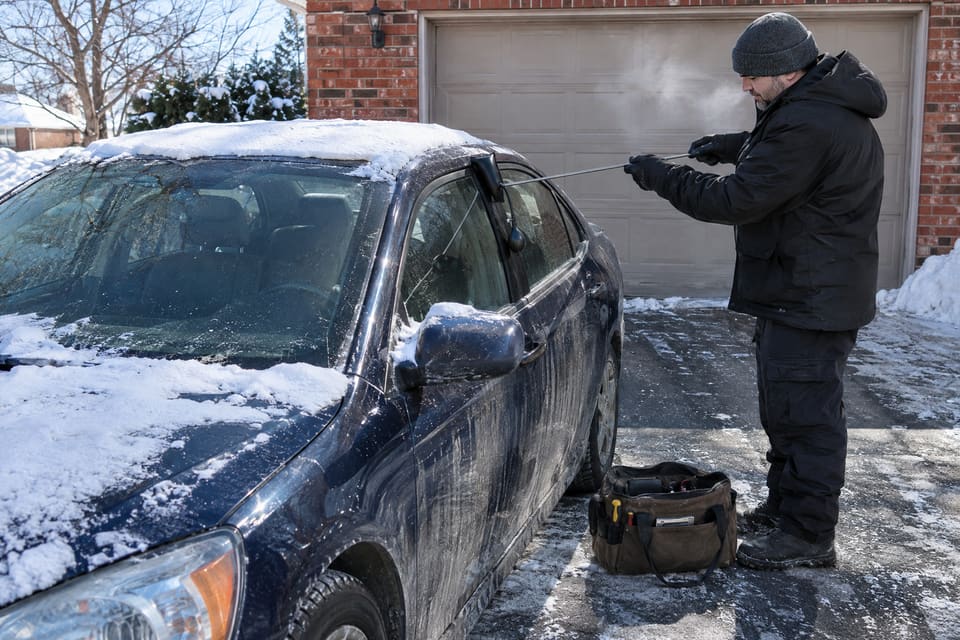
While not a technical detail, your location affects how the locksmith works. If you are in a parking ramp with low clearance, a tall van may not fit. If you are on a busy street, the technician may need to work quickly to avoid blocking traffic. If the car is parked on a slope, the weight of the trunk lid may affect how tools slide in. Give a specific address or landmark, and mention if you are in a tight spot. The locksmith can choose the right vehicle and tools for the environment. This is also the moment when you can mention the name of the company you are calling. For example, you might say you are at the corner of Queen and Main and you contacted a service like lockedkeysincarbrampton.com. That lets the locksmith know you have already chosen a local mobile service and you are ready for them to arrive.
What the locksmith will do with the information
Once you have described the car and the situation, the locksmith will decide on a method. For many trunk lockouts, the technician will use a long, thin tool called a reach tool or a rod to manipulate the latch mechanism from outside. They may slide a wedge between the trunk lid and the body to create a small gap, then insert the tool to press the release lever or pull the cable. If the car has a keyhole, they may pick the lock or use a tool to turn the cylinder. If the trunk is accessible through the cabin, they may remove a trim panel or lower a seatback. In newer cars with electronic latches, they may use a diagnostic tool to send a remote release signal. The more you have told them, the more likely they bring the correct tools and get the trunk open without damage.
One thing to watch for: if the locksmith asks you to try pressing the trunk release button while they work, listen carefully. Some cars have a mechanical override that can be activated from the driver's seat even when the key is in the trunk. If you are in the car and the release button is on the door panel, try it when the locksmith says to. Do not keep pressing it otherwise, as that can confuse the process. The technician will guide you through the steps as they work. Your job is to stay calm and answer any follow-up questions about the car's layout. The more cooperative the call, the faster the solution.
After the trunk opens: what to do next
Once the locksmith retrieves your keys, check that the trunk latch works normally. Close and open the trunk a few times to confirm the mechanism is not damaged. If the locksmith had to remove a trim panel or a seat latch, make sure everything is put back securely. Ask the locksmith if there is anything you should avoid doing, such as slamming the trunk lid or forcing the latch if it felt stiff. Some cars have a release cable that can stretch over time; a locksmith can often adjust it in a few minutes if it is loose. If the lockout happened because the key fob battery was weak, replace the battery soon. A dead fob battery is a common cause of trunk lockouts in cars with passive entry. Keep a spare key in your wallet or in a magnetic box under the car, but not in the trunk.

In the end, a trunk lockout is a straightforward problem for a mobile locksmith who has the right information. The key to a fast fix is the call itself. Describe the car, the key location, the access points, and the surroundings with as much detail as you can. That lets the locksmith arrive with the correct tools and a clear plan. If you need a mobile locksmith in Brampton, a service like lockedkeysincarbrampton.com can respond to trunk lockouts with the right equipment. The more you tell them upfront, the sooner you will be back on the road.